

Below-Normal Doesn't Mean Low-Risk: A Coastal Resident's Guide to Hurricane Season Anxiety in 2026
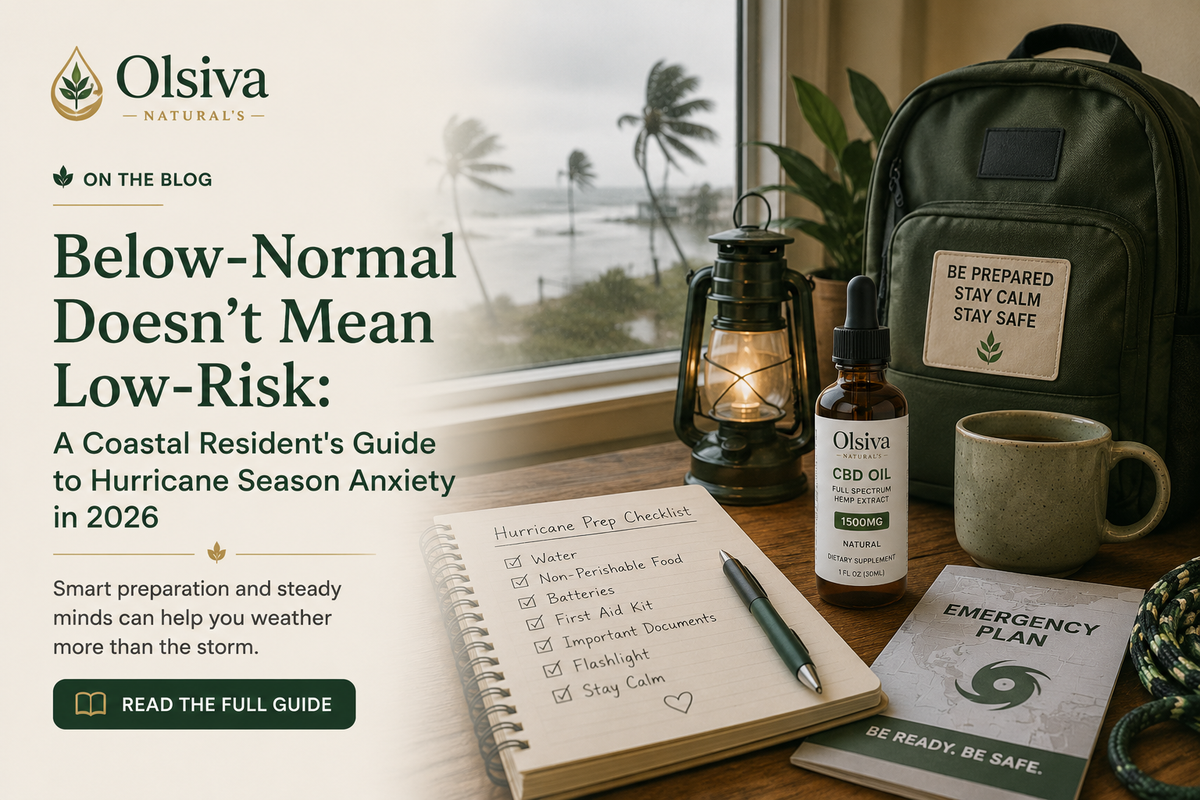
NOAA's 2026 outlook calls for a below-normal Atlantic hurricane season — 8 to 14 named storms, 3 to 6 hurricanes, 1 to 3 major. If you live on the Gulf Coast or Atlantic Seaboard, that forecast might sound reassuring. Emergency officials warn it shouldn't be: a "below-normal" season in 2022 still produced Hurricane Ian, a catastrophic Category 4 that devastated Southwest Florida. Below-normal describes a statistical average across the whole season. It says nothing about whether the one storm that matters skips your coastline.
The stress that comes before the storm, not just after
Most disaster mental-health conversations focus on the aftermath — PTSD, displacement, recovery. Less discussed is the anticipatory stress that builds through an entire season, month after month, for people who live somewhere a storm could hit. Research following disasters like Hurricane Helene has found wide gaps in how prepared people actually feel versus how at-risk they know they are: in one regional study, Florida residents reported the highest risk awareness of any state surveyed, with 84% believing a disaster was likely or very likely — yet fewer than half felt confident they could manage without power for more than a week. That gap, between knowing the risk and feeling ready for it, is where a lot of the chronic, low-grade anxiety of hurricane season actually lives.
Why "below-normal" forecasts can make this worse, not better
A quieter seasonal outlook creates a specific psychological trap: it can lower preparedness follow-through precisely because it feels like permission to relax. Emergency managers flag this every year for a reason — a below-normal forecast changes the odds, not the stakes. If a major storm does form, the outcome for the people in its path is identical whether the season had six named storms or twenty.
A preparedness routine that also addresses the anxiety, not just the checklist
Most hurricane-prep guides are pure logistics: water, batteries, a plan. Useful, but they don't address the actual lived experience of an entire season spent glancing at the tropics tracker. A few things that help with both at once:
- Do the concrete prep early, once, and then stop re-checking it. A finished supply kit, a written evacuation plan, and copies of important documents in a waterproof bag are things you do one weekend in June, not something you should be mentally revisiting every time a tropical wave forms off Africa. Re-checking a completed task doesn't add safety; it just adds anxiety.
- Set a specific information diet. Checking the National Hurricane Center once or twice a day during an active watch is useful. Refreshing storm-tracker apps hourly for a system that's still ten days and several thousand miles away mostly just keeps your nervous system on alert for no operational benefit.
- Build a "watch week" wind-down routine you actually use. When a storm does enter the Gulf or approach the coast, having an established evening routine — even a simple one, done at the same time regardless of what the 5 p.m. advisory says — gives you something steady to hold onto during the genuinely uncertain days before landfall becomes clear.
- Separate "prepared" from "in control." You can do everything right — kit packed, plan written, insurance current — and still not control where a storm goes. Preparedness reduces the practical risk; it doesn't eliminate the uncertainty, and expecting it to is part of what makes the waiting so exhausting.
The bottom line for this season
A below-normal forecast is genuinely useful statistical information, and it's genuinely not a reason to skip preparation. Do the kit and the plan early, in June, so July through November is about a routine instead of a scramble. And build in something — a short walk, a wind-down ritual, a consistent evening habit — that gives the waiting weeks a shape, because for a lot of coastal residents, the waiting is the hardest part of the whole season.
A steady evening routine matters most during an active watch. Olsiva's THC-free tinctures and softgels are lab-tested and travel well if evacuation is ever part of your plan.
These statements have not been evaluated by the Food and Drug Administration. This product is not intended to diagnose, treat, cure, or prevent any disease. This article is general information, not an emergency preparedness plan; follow guidance from the National Hurricane Center and your local emergency management agency for storm-specific decisions.